Top 5 Food Technology Trends You Should Know About
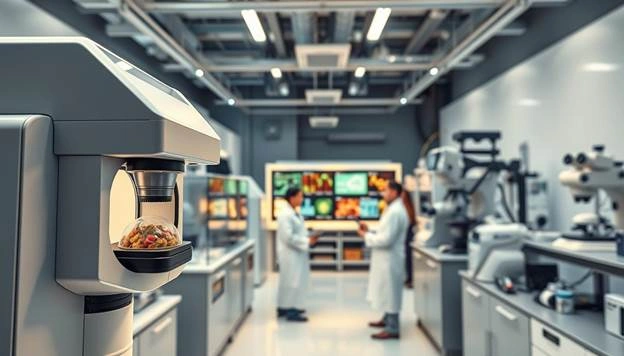
The food industry is changing fast with food technology trends. As consumers get healthier and more environmentally aware the demand for innovation is growing. We need to explore these trends to stay ahead of the game.
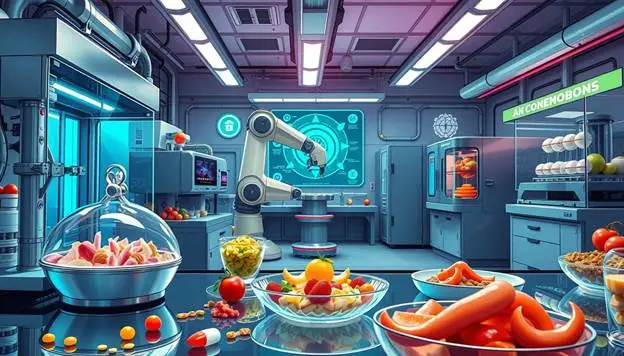
The latest food technology trends are changing how we produce and consume food and opening up new growth opportunities.
Key Points
- Food technology is changing the industry.
- Sustainability is key.
- Personalization is on the rise.
- New tech is improving food production and consumption.
- The future of food is being shaped by innovation.
The State of Food Technology

Food tech is moving fast with innovations that are changing how we produce, process, and consume food. This is not just about improving what we already have but creating new pathways to solve global food challenges.
How Technology is Changing Our Food Systems

Technology is changing food systems by making them more efficient, reducing waste, and improving product quality. For example, precision agriculture uses GPS, sensors, and drones to optimize crop yields and reduce environmental impact. Digital technology is also enabling real-time monitoring and management of food production and distribution.
Why Food Tech Innovations Matter
Food tech innovations are becoming more important as the global population grows and food demand increases. Innovations like alternative proteins, vertical farming, and advanced food processing technology are critical to meeting this demand sustainably. These technologies not only reduce the environmental footprint of food production but also food security.
Technology in food systems is paving the way for a more sustainable and efficient food industry. As these technologies evolve, we can expect big improvements in how food is produced, processed, and consumed.
How AI is Changing the Future of Food Tech
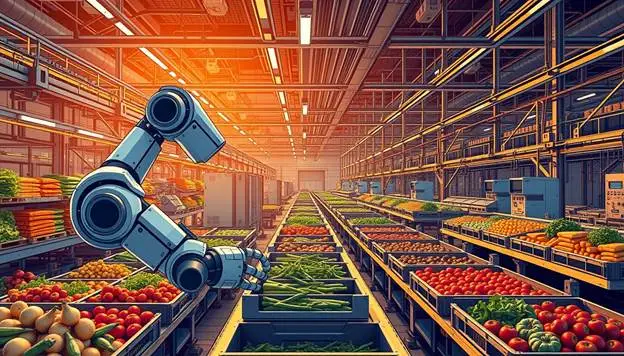
The future of food tech is being written by AI with innovations that will improve efficiency, safety, and consumer experience.
AI-Powered Food Production and Processing
AI is changing food production by optimizing crop yields, predicting harvesting times, and streamlining processing. For example, AI-powered drones and satellite imaging help farmers monitor crop health and detect issues early.
Machine Learning in Quality Control and Safety
Detecting Contaminants and Meeting Standard
Machine learning is key to detecting contaminants and meeting safety standards.
Advanced machine learning models can analyze data from multiple sources to identify potential contamination risks so we can take proactive measures to ensure food safety.
Predictive Maintenance in Food Manufacturing
Predictive maintenance with AI reduces downtime and increases overall equipment effectiveness in food manufacturing facilities.
| Application | Benefit |
| AI in Crop Monitoring | Early detection of crop issues |
| Machine Learning in Quality Control | Enhanced food safety |
| Predictive Maintenance | Reduced downtime in manufacturing |
AI-Driven Consumer Experience Innovations
AI-driven innovations are also improving the consumer experience through personalized nutrition recommendations and smart kitchen devices.
“AI in food tech isn’t just about efficiency, it’s about a more personalized and safe food experience for the consumer.”
As AI evolves, its impact on food tech will only get bigger, shaping the future of how we produce, process, and consume food.
Top Food Tech Trends to Watch in 2025

Food tech trends in 2025 will change how we produce, consume, and interact with food. The industry is on the cusp of a big change driven by emerging technologies, shifting consumer behaviour, and new investment patterns.
Emerging Technologies
The food tech landscape is being reshaped by several emerging technologies. Artificial intelligence (AI) and machine learning (ML) are being used to optimize food production and processing. For example, AI-powered systems can predict crop yields, detect diseases in livestock, and streamline supply chains.Another big trend is alternative proteins and plant-based diets. Technologies that enable lab-grown meat and vegan alternatives are gaining traction, offering solutions to traditional animal farming.
Investment and Market Predictions
Investment in food tech is on the rise, with venture capitalists and big food companies investing in startups that are developing new food tech. The market will grow significantly driven by consumer demand for sustainable, healthy, and convenient food.According to market predictions sustainable food tech solutions will be a big area of growth. This includes technologies that reduce waste, improve energy efficiency, and eco-friendly packaging.
How These Trends Will Affect Consumers
These trends will have a big impact on consumers. With personalized nutrition and smart devices, consumers will have more control over their diet. They will be able to make informed decisions based on their nutritional needs, health data, personal preferences, and more green food.
Trend #1: Sustainable Food Tech Solutions
As the world deals with climate change and environmental degradation, sustainable food tech solutions are becoming a key part of a more robust food system. Never has the need for innovative ways to reduce the environmental impact of food production, processing, and consumption been more urgent.
Alternative Protein Technologies
Alternative protein is a big area of innovation in sustainable food tech. This includes lab-grown meat and plant-based innovation.
Lab Grown Meat
Lab-grown meat, also known as clean meat, is produced by culturing animal cells in a controlled environment, reducing the need for land, feed, and water. Companies like Memphis Meats and Aleph Farms are leading the way with this technology which can reduce greenhouse gas emissions and improve animal welfare.
Plant Based Innovation
Plant-based innovation is another key area of alternative protein tech. Companies like Beyond Meat and Impossible Foods are developing plant-based products that mimic the taste and texture of meat, giving consumers a more sustainable option.
Circular Economy in Food Production
A circular economy in food production means reducing waste and promoting the reuse and recycling of resources. This can be done through reducing food waste, using by-products, and regenerative agriculture practices.
Eco-Friendly Packaging Breakthroughs
Eco-friendly packaging is becoming more important as consumers and companies look to reduce waste and minimize environmental impact. Biodegradable packaging, edible packaging, and refill models are gaining traction, with companies like Lanza Tech and Ecovative leading the way.
| Sustainable Solution | Description | Benefits |
| Lab-Grown Meat | Culturing animal cells in a controlled environment | Reduced greenhouse gas emissions, improved animal welfare |
| Plant-Based Innovation | Developing plant-based products that mimic meat | Reduced environmental impact, improved consumer choice |
| Circular Economy | Reducing waste and promoting resource reuse | Reduced waste, improved resource efficiency |
| Eco-Friendly Packaging | Innovations in biodegradable and edible packaging | Reduced waste, minimized environmental impact |
Trend #2: Food Technology
Digital is changing the food industry in ways we never thought possible, making it more efficient and transparent. Food tech is not just about new technology, it’s about reimagining the entire food system to meet the needs of a growing global population.
Blockchain for Supply Chain Transparency
One of the key drivers of food tech is blockchain for supply chain transparency. Blockchain creates an immutable record of transactions, so stakeholders can track the origin, quality, and movement of food products. This means safer food and more trust with consumers.
Benefits of blockchain in food tech:
- Transparency and accountability
- Better food safety through tracking
- More consumer trust
Internet of Things (IoT) Applications
The Internet of Things (IoT) is another big part of digital transformation in food tech. IoT devices can monitor temperature, humidity, and soil moisture in real-time, so farmers and producers can make data-driven decisions. This means more efficient production and less waste.
| IoT Application | Benefit |
| Real-time monitoring | Improved crop yields and quality |
| Predictive maintenance | Reduced equipment downtime |
| Supply chain optimization | Lower logistics costs |
Big Data Analytics for Production Optimization
Big data analytics is key to food production. By analyzing lots of data from many sources, producers can see trends, predict outcomes, and make informed decisions. This means more efficient production, lower costs, and better products.
The integration of digital technologies like blockchain, IoT, and big data analytics is changing the food tech landscape. As these technologies evolve, we’ll see even more innovation emerge and shape the future of food.
Trend #3: Personalised Nutrition Technologies
Personalized nutrition technologies are changing the way we eat and our overall health. These are driven by advances in genetic research, data analysis, and smart devices.
The combination of technology and nutrition is giving consumers more control over their diet. With personalized nutrition technologies, individuals can get tailored recommendations based on their unique needs and health goals.
DNA-Based Dietary Recommendations
DNA-based dietary recommendations are a growing area of personalized nutrition. By analyzing an individual’s genetic data, these services provide insights into the best diet for their genetic profile.
For example, some companies offer genetic testing kits that analyze genes related to nutrition and metabolism. The results are then used to create personalized dietary plans so individuals can make informed decisions about their diet.
Smart Devices for Nutritional Monitoring
Smart devices are playing a bigger role in nutritional monitoring. Wearable devices and mobile apps can track an individual’s daily food intake and provide valuable insights into their eating habits.
These devices can also monitor nutritional deficiencies and provide recommendations for improvement. By using data analytics and machine learning algorithms, smart devices can help individuals optimize their diet and achieve their health goals.
Custom Food Formulations Based on Health Data
Custom food formulations are another key area of personalized nutrition technologies. By analyzing an individual’s health data, companies can create products that meet their specific needs.
For example, some companies use data analytics to create personalized nutrition plans which are then used to formulate custom food products like protein powders or meal replacement shakes.
| Technology | Description | Benefits |
| DNA-Based Dietary Recommendations | Genetic testing and analysis | Personalized dietary plans |
| Smart Devices for Nutritional Monitoring | Wearable devices and mobile apps | Tracking daily food intake and nutritional deficiencies |
| Custom Food Formulations | Data analytics and food production | Tailored food products for specific needs |
Trend #4: Advanced Food Processing and Manufacturing
The food industry is changing with the introduction of advanced food processing and manufacturing technologies. These innovations are not only making food production more efficient but also creating new food products with better nutrition and safety.
One of the key drivers of this trend is the increasing use of automation and robotics in food processing. By using robotics and machine learning, food manufacturers can automate tasks like sorting, packaging, and quality control, resulting in higher productivity and lower labor costs. For example, robotic pick-and-place systems can be used to sort and package food products accurately and efficiently, reducing the risk of contamination and improving overall quality.
Automation and Robotics in Production
The use of automation and robotics in food production is changing the industry in many ways. Not only is it more efficient and cost-effective but it also produces high-quality food products with consistent taste and texture. Some of the benefits of automation and robotics in food production are:
- Higher productivity and efficiency
- Better product quality and consistency
- Lower labor costs and safer workers
- More flexibility and scalability
3D Food Printing
Another trend in advanced food processing and manufacturing is 3D food printing. This is layering ingredients to create complex food structures with unique textures and flavors. 3D food printing can change the way we produce and consume food, creating personalized nutrition products for individual needs.
| Application | Description | Benefits |
| Personalized Nutrition | 3D printing of customized food products based on individual nutritional needs | Improved health outcomes, increased consumer satisfaction |
| Food Design | Creation of complex food structures with unique textures and flavors | Enhanced culinary experience, increased creativity in food preparation |
New Technologies
Food processing and manufacturing also involve new technologies. These technologies extend the shelf life of food products while keeping nutritional value and safety intact. Some examples are high-pressure processing, pulsed electric field processing, and modified atmosphere packaging.
By using these new food processing and manufacturing technologies the food industry can improve the efficiency, quality, and safety of food production and ultimately benefit the consumer and the industry.
Trend #5 Smart Agriculture and Vertical Farming
Smart agriculture and vertical farming are changing the way we produce food making it more sustainable and efficient. These new approaches are transforming the agriculture sector by integrating technologies to increase yields, reduce waste, and promote eco-friendly practices.
Controlled Environment Agriculture
Controlled Environment Agriculture (CEA) is growing crops in a controlled environment like greenhouses or indoor facilities to optimize growing conditions. This allows precise control of temperature, humidity, and light resulting in higher yields and less water consumption. CEA is very beneficial for urban areas where arable land is scarce.
Precision Farming Technologies
Precision farming technologies like drones, satellite imaging, and IoT sensors enable farmers to monitor and manage their crops better. These technologies provide real-time data on soil moisture, crop health, and weather conditions allowing data-driven decision-making and reduced waste.
Key benefits of precision farming include:
- Increased crop yields
- Reduced water and fertilizer usage
- Improved crop quality
Urban Farming Innovations
Urban farming innovations, such as vertical farming and hydroponics, are becoming increasingly popular in urban areas. These methods allow for food production in small, urban spaces, reducing transportation costs and carbon emissions. Urban farming also provides fresh produce to local communities, improving food security and promoting sustainable living.
As the global population continues to grow, smart agriculture and vertical farming will play a crucial role in meeting the world’s food demands sustainably. By leveraging these innovative approaches, we can create a more food-secure future while minimizing the environmental impact of agriculture.
Navigating the Challenges of Food Technology Trends
Navigating the complexities of food technology trends is essential for their successful adoption and implementation. As the food industry continues to evolve with technological innovations, several challenges emerge that need careful consideration.
Regulatory Hurdles and Compliance Issues
One of the biggest challenges facing food tech is regulatory compliance. New tech often outpaces existing regulations, making it a complicated landscape for businesses to navigate. Ensuring compliance with food safety standards, labelling requirements, and environmental regulations is key. For example, alternative protein tech must adhere to strict safety protocols which can vary greatly across different regions.
Key regulatory considerations:
- Food safety standards
- Labelling requirements
- Environmental regulations
Consumer Acceptance and Education
Consumer acceptance is another major factor in the adoption of food tech. Educating consumers about the benefits and safety of new tech like 3D food printing and vertical farming can make a big difference. Transparent communication about production processes and ingredients can build trust and get consumers on board with new food products.
Ethical Considerations in Food Tech
Ethical considerations also play a big role in the development and implementation of food tech. Issues like the environmental impact of large-scale vertical farming, the welfare of animals used in alternative protein sources, and the equitable distribution of benefits from food tech innovations need to be addressed. Companies must consider these ethical dimensions so their innovations are not only tech-advanced but also socially responsible.
Conclusion:
Preparing for the Future of Food
As we look to 2025 it’s clear food tech will continue to shape how we produce, process, and consume food. From sustainable food tech to digital transformation and personalized nutrition the future of food is exciting and fast moving.
The trends in this article including alternative protein tech, circular economy, and advanced food processing will have a big impact on the industry. To stay ahead of the curve, you need to stay up to date with the latest in food tech and how it will shape the future of the industry.
By embracing these trends and innovations we can create a more sustainable, efficient, and consumer-centric food system. As the food tech landscape evolves, we need to be ready for the challenges and opportunities that lie ahead. By doing so we can have a brighter future for the food industry and for consumers around the world, especially in the US where food tech 2025 will have a big impact.With sustainable food tech at the forefront, we can look forward to a future where food production is not only more efficient but also more environmentally friendly.